
HIFEM Body Contouring Machines: A Buyer Checklist
Evaluating a HIFEM body contouring machine? Review indications, evidence, contraindications, operator training and service support before buying.
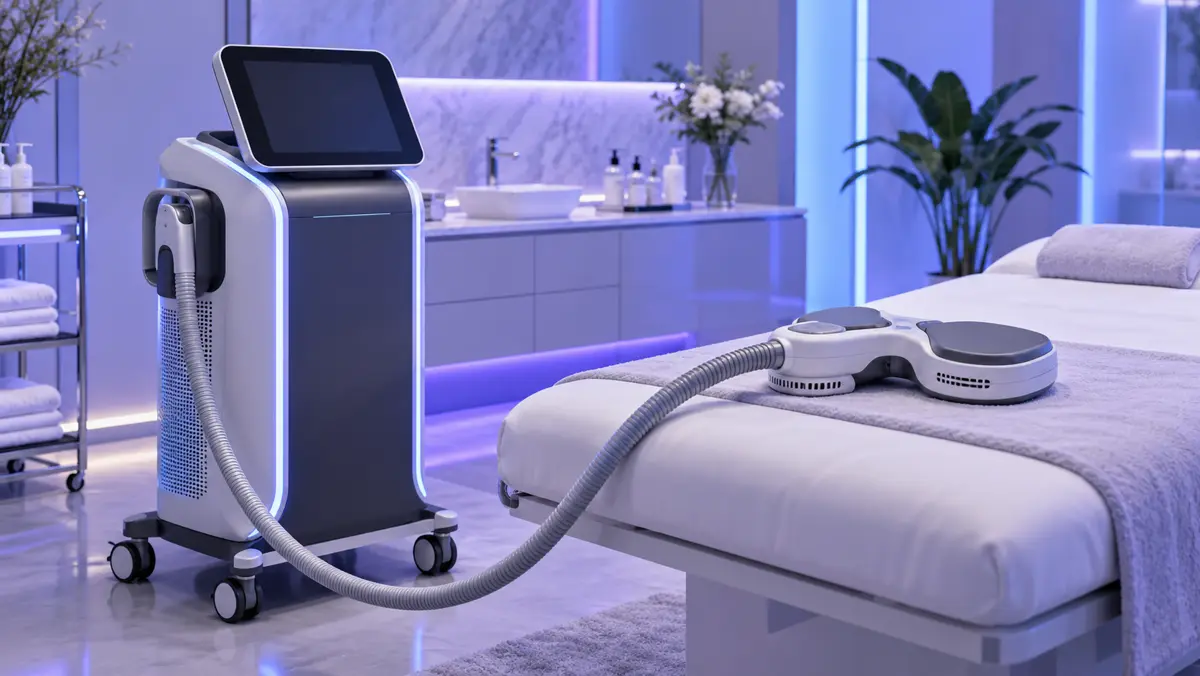
A high-intensity focused electromagnetic device, often shortened to HIFEM, can look like a straightforward addition to an aesthetic or wellness practice. Marketing pictures promise stronger muscles and a more defined shape with little downtime. For a facility operator, the important questions are less glamorous: What exactly is the device authorised to claim? Who is suitable for treatment? How will staff screen and document safety? What evidence supports the proposed use? And what service support exists after installation?
This guide is for teams evaluating a HIFEM body contouring machine. It separates magnetic muscle stimulation from other body-contouring technologies and offers a checklist for clinical, operational, and procurement review. It does not endorse a particular brand or promise a patient outcome.
What HIFEM is, and what it is not
HIFEM systems use pulsed magnetic fields to cause muscle contractions. Some systems pair magnetic stimulation with radiofrequency heating. The mechanisms and authorised claims can differ between devices and configurations. The US Food and Drug Administration's body-contouring overview explains that magnetic-field treatments may temporarily improve muscle tone or firmness in selected body areas, and that maintenance may be needed.
This is not the same technology as therapeutic ultrasound, shockwave therapy, cryolipolysis, or a simple electrical muscle stimulator with skin electrodes. A vendor may group all of them under "body shaping," but each has different energy delivery, safety questions, and evidence. Our shockwave versus ultrasound comparison shows why distinguishing mechanisms is essential before comparing devices.
Also separate a body-contouring claim from a medical rehabilitation claim. A device being used for appearance-related muscle conditioning does not automatically have evidence or authorisation to treat disease, replace exercise therapy, or reverse metabolic dysfunction. Ask for the exact intended-use statement for the model being offered, in the jurisdiction where your facility operates.
Start with the intended use and documentation
Request the full model name, manufacturer, device registration details where applicable, intended-use statement, user manual, contraindications, service requirements, and training material. Ask whether the offered applicators and software version match the supporting documentation. A photograph of a certificate is not enough if it refers to another model or different indication.
Regulatory rules differ by country. US FDA material can help explain the technology and risks, but a US clearance is not a substitute for checking Indian requirements relevant to your business. Make sure legal, clinical, and procurement teams understand the local responsibilities before purchase or deployment. A supplier should be able to explain the status clearly rather than relying on vague terms like "internationally approved."
Clinical claims deserve the same precision. "Muscle stimulation" is not identical to "weight loss," and a change in appearance is not proof of improved cardiometabolic health. If a sales deck quotes a percentage improvement, ask which study, body area, device, treatment schedule, follow-up period, and measurement method produced it.
What does the evidence actually show?
A published systematic review of HIFEM with and without radiofrequency found clinical studies reporting body-contouring outcomes. The review also reflects an evidence base that needs careful interpretation: protocols, devices, body areas, measurements, and follow-up can vary. A practice should not turn a study's group average into a guaranteed individual result.
Ask whether the research includes an appropriate comparison group and objective measures rather than only before-and-after photos. Check whether outcomes were measured soon after treatment, when transient swelling may influence appearance, or after meaningful follow-up. Discuss with clinical leadership what outcome you will document for your own patients: patient satisfaction, function, circumference, photography, or another measure suited to the device's claim.
It is reasonable to present HIFEM as an adjunct for selected aesthetic goals when the device's indication supports it. It is not reasonable to promise effortless fat loss, permanent results, or an exercise replacement. The FDA notes that body-contouring effects can be temporary and that additional procedures may be needed to maintain them.
Safety screening must be part of the workflow
The FDA warns that magnetic-field devices may be unsuitable for people with active implanted devices such as pacemakers or implantable defibrillators and for people with metal under the skin from an implant or injury. Manufacturer instructions may specify additional exclusions, body-site restrictions, and precautions. Use the actual device manual for the final screening protocol.
Potential short-term effects can include soreness or cramps. A staff member should know when to stop a session, how to document an adverse event, and whom to contact for clinical review. Consent should describe realistic outcomes and possible discomfort in plain language, without making a patient sign away basic safety questions.
Training is not just learning which button starts a session. Operators need to understand positioning, applicator fit, intensity adjustment, contraindication screening, cleaning, emergency stop procedures, and the difference between a normal sensation and a warning sign. Plan refresher training for new staff and when the manufacturer changes software or accessories.
Compare devices on operations, not only specifications
Evaluate the number and type of applicators, which body areas are supported, session throughput, room layout, power needs, cleaning process, consumables, software access, and reliability of service. Ask for a demonstration using the exact configuration offered. A specification sheet may say a system supports a body area while the quoted package lacks the required applicator.
Request maintenance schedules and a clear service pathway. If the device stops working, who diagnoses it, where are replacement parts held, and what is the expected response? Staff time and interrupted appointments can matter as much as the headline feature list. Keep the evaluation free of unsupported return-on-investment promises; patient demand and outcomes vary by practice.
Our body composition analyser versus smart scale guide offers a useful parallel: measurement quality, operator training, and follow-up processes determine whether equipment creates clinical value. The same principle applies to treatment equipment.
Where should HIFEM fit in a facility's offering?
Define the patient group before buying. A facility focused on medical rehabilitation may need a different equipment priority from one offering aesthetic body contouring. A longevity centre should avoid presenting an aesthetic treatment as a metabolic-health intervention unless the specific claim is supported. Existing services, staff competencies, referral patterns, and follow-up capacity should shape the decision.
Do not let the machine become the consultation. Patients should receive a qualified assessment of their goals, contraindications, alternatives, and expectations. In some cases a strength programme, nutrition support, or another intervention may be more relevant. Transparent positioning can build trust even when it means the device is not suitable for a particular person.
If your team is comparing technologies, our isokinetic testing guide shows how an assessment tool answers a different question from a body-contouring treatment. Buying a device should begin with the clinical question it is meant to answer or the service it is meant to deliver.
A practical purchase conversation
Ask the supplier for a documentation pack and a live demonstration. Have a clinician review indications and contraindications, an operator review workflow, and a technical lead review power, service, and maintenance. Agree in writing on installation, staff training, accessories, warranty scope, and support. Verify any registration or authorisation relevant to your location and claims before marketing the service.
The most useful purchasing question is: "Can we use this specific machine safely and honestly for the patients we serve?" A device that looks impressive but does not fit the facility's clinical processes may create more risk than value. If your facility needs help comparing equipment categories, contact Regenis with your intended use and operational requirements.
The takeaway
HIFEM can be considered for selected body-contouring uses, but benefits may be modest or temporary and individual results vary. A strong procurement decision checks the exact device claim, evidence, contraindications, training, service support, and fit with your practice. It should never rely on a promise of guaranteed fat loss or a substitute for exercise and medical care.
Frequently asked questions
Is HIFEM the same as an EMS machine?
No. HIFEM uses magnetic fields to stimulate muscle contraction, while many EMS systems use electrical stimulation delivered through electrodes. Device claims and safety instructions must be checked separately.
Does a HIFEM machine cause weight loss?
It should not be sold as a guaranteed weight-loss treatment. Evidence and authorised claims are specific to the device and body area. Aesthetic changes do not automatically imply improved metabolic health.
Are results permanent?
Not necessarily. The FDA notes that some body-contouring effects may be temporary and additional procedures may be needed to maintain them. Explain the uncertainty honestly during consultation.
Can someone with a pacemaker receive magnetic treatment?
Active implanted devices are an important safety exclusion in FDA guidance for magnetic-field body-contouring devices. Follow the exact manufacturer's contraindications and obtain qualified clinical review.
What should a clinic request from a supplier?
Ask for the exact model and intended use, regulatory documentation, full manual, contraindication list, operator training, maintenance plan, service contacts, and a demonstration of the configuration being purchased.
Is HIFEM appropriate for rehabilitation?
Do not assume an aesthetic body-contouring indication establishes a rehabilitation benefit. Compare the specific device's authorised use and supporting evidence with the clinical goal before offering it for rehab patients.
Sources and scope
This buyer guide draws on the FDA overview of non-invasive body-contouring technologies and a published systematic review of HIFEM studies. It is procurement education, not regulatory advice or a guarantee of treatment performance. Verify current local requirements and the specific device documentation.